




Most businesses only think about SEO when something goes wrong, usually when website visits from Google suddenly drop.
But SEO (how people find you on Google) works best when it’s treated as a long-term plan, not a last-minute fix. Here are 5 simple ways to move from reactive to proactive.
1. Have a Clear SEO Plan
Every good result starts with a good plan.
- Start with your business goals (leads, sales, bookings, enquiries).
- Build a 3–6 month SEO roadmap that lists what you’ll work on each month (for example: fixing website issues, improving existing pages, creating new content).
- Make sure time is actually booked to do the work, not just talking about it.
- SEO improvements will help with AI Search and help your business feature in AI-generated answers.
Think of it as your SEO to-do list that rolls forward, instead of “we’ll fix it when it breaks.”
2. Look at the Right Data (Not Just Traffic)
“Traffic is down” is a symptom, not an insight.
- Don’t just look at total website visits; look at where they’re coming from and which pages are performing.
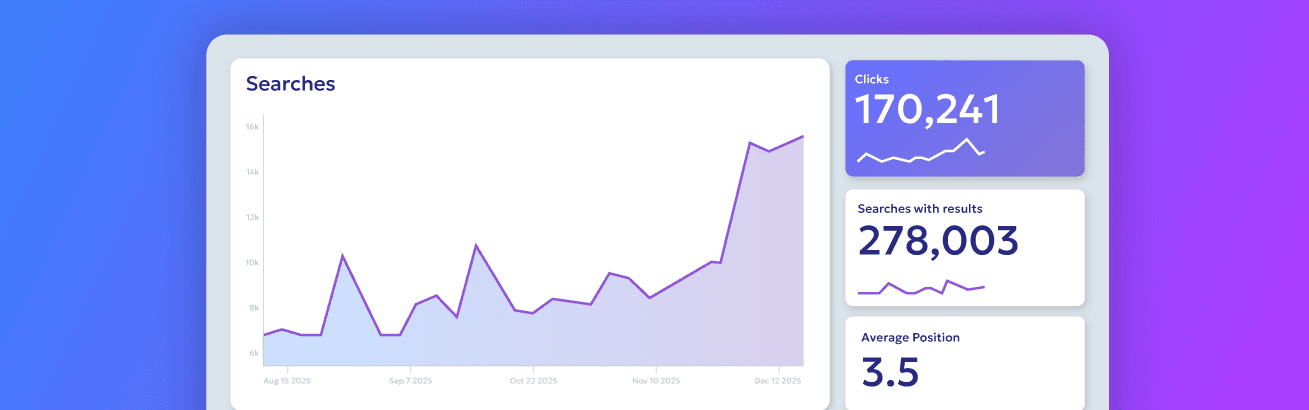
- Use a simple dashboard (for example, Google’s free Looker Studio) to track:
- Visits from Google
- Your top pages
- Key trends over time
The goal: spot issues and opportunities early, instead of waiting for a big drop.
3. Make Someone Clearly Responsible
SEO can’t be a side job that people squeeze in when they have time.
- Choose a dedicated owner: either an internal SEO specialist or an external SEO agency.
- Make them responsible for:
- Defining the roadmap
- Monitoring results
- Making changes
If nobody owns it, it won’t get done, and you’ll end up back in “panic mode.”
4. Treat Content as Fuel for SEO
Google needs something valuable to show searchers, that’s your content.
- Plan content around:
- What your customers are searching for
- Different stages of their journey (researching, comparing, and ready to buy)
- Don’t just create new content; regularly update and improve old content so it stays relevant and competitive.
Fresh, helpful content keeps you visible and ahead of competitors.
5. Keep an Eye on Your Competitors
You’re not the only one trying to rank on Google.
- Regularly check:
- What topics competitors are writing about
- What keywords do they seem to be targeting
- Include competitor metrics on your SEO dashboard so you can see:
- Where they’re gaining ground
- Where you have gaps or opportunities
This helps you plan smarter, not just react when they outrank you.
By having a plan, tracking the right data, assigning ownership, investing in content, and watching the competition, you’ll set your business up for steady, long-term SEO growth, without the stress of constant fire-fighting.
Do you need help with your SEO? Get in touch with us today and speak to our digital marketing specialist about how you can get on top of your SEO.

